


Creating an Inviting Space
Updated: Apr 22

There are a few key elements that can make a space feel inviting.
A warm home is not created through excess, but through thoughtful layering, intentional choices, and an understanding of how a space is meant to be lived in. Rather than focusing on filling a room, the goal is to create an environment that feels balanced, functional, and naturally welcoming. When comfort, lighting, and personal detail are considered together, a home begins to feel both beautiful and deeply welcoming.
COMFORT AND TEXTURES
Warm colors, calming textures, and ambient lighting can make a world of difference when you want to create a calm and cozy space. It is important to fill the space with personality and personal touches.
Creating comfort begins with the foundation of the room. Soft neutral palettes inspired by nature tend to feel the most timeless and livable. Warm whites, soft taupes, muted greens, and earthy tones create a sense of ease that allows other elements in the space to stand out without overwhelming it.
Hang a piece of art that you love. Use soft linens and simple accents that feel lived-in and cozy. Play with different textiles that are cohesive, but show visual interest.
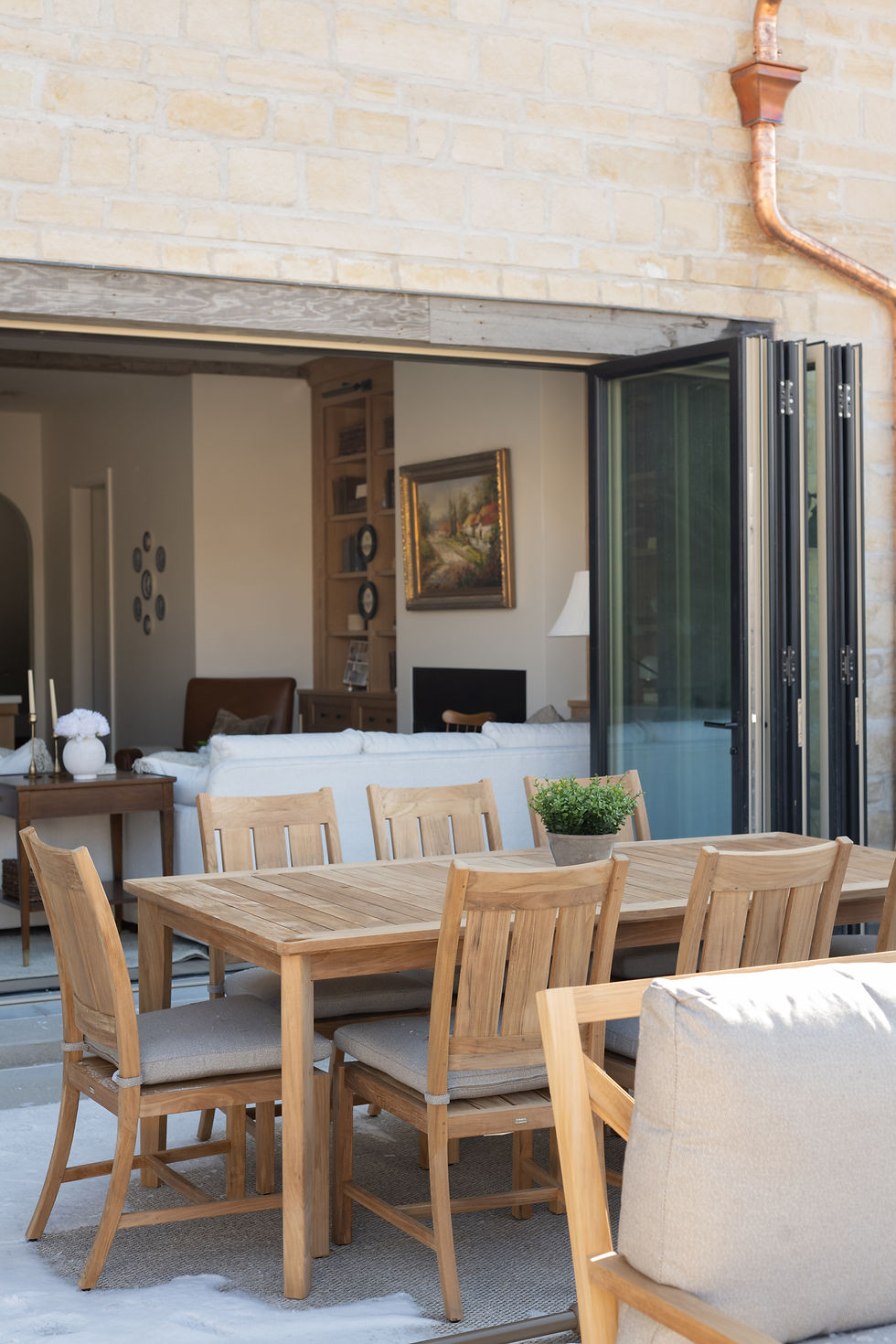
Layering is key here. A well-designed space rarely relies on one texture alone. Instead, it combines materials such as linen, wool, wood, and stone to create depth. This balance of materials helps a room feel complete without feeling over designed. Consider how a woven throw softens a structured sofa, or how a vintage-inspired rug grounds a room and adds quiet character.
To make a space feel truly inviting, think beyond how it looks and consider how it feels. Upholstery should feel comfortable, fabrics should invite touch, and the overall environment should encourage people to settle rather than simply pass through. Comfort should feel effortless, not staged.
LIGHTING THAT SETS THE TONE
Next, focus on lighting. Lighting plays a huge role in setting the tone of a room, and a warm, well-lit space immediately feels more inviting. Soft, warm lighting from floor lamps, table lamps, or pendant lights promote relaxation. Light a candle and use accent lighting that brings in a sense of calm.
Layering lighting is one of the most impactful ways to elevate a space. Rather than relying on a single overhead light, incorporate multiple sources at different heights. This creates dimension and allows the room to transition easily from day to evening.
Whenever possible, opt for bulbs in the 2700K to 3000K range. This warmer light temperature enhances natural materials and creates a softer, more flattering environment. Cooler lighting can feel harsh and clinical, which works against the goal of creating a welcoming home.
Accent lighting, such as a small lamp on a side table or a candle on a console, adds a quiet glow that draws people in. These subtle layers often make the difference between a space that feels finished and one that feels thoughtfully designed. It is this layered approach that allows a room to feel both functional during the day and intimate in the evening.
ADD WARMTH AND ATMOSPHERE
Finally, infuse the room with personal touches.
Bring in elements from nature, such as fresh flowers, to create an organic, calming environment that guests will naturally gravitate toward. Consider adding wallpaper that creates a sense of unity and cohesiveness to the room. Don’t neglect the details.

Natural elements are essential in creating warmth. Florals, branches, stone, wood, and even subtle botanical patterns help connect the home to the outdoors, which inherently makes a space feel more grounded and welcoming.
Wallpaper can also play a significant role in shaping the atmosphere of a room. Whether it is a soft pattern or a more detailed motif, it adds depth and character that paint alone cannot achieve. When chosen thoughtfully, it becomes part of the architectural story of the home.
The smartest details often have the greatest impact. A well-placed book, a collected object, or a meaningful accessory adds personality and tells a story. These elements make a home feel lived in rather than styled. They signal that the space reflects the people who live there, not just a design concept.
CREATING A HOME THAT FEELS INVITING
By thoughtfully combining comfort, lighting, and personal elements, you can create a space that feels comforting and warm to anyone that enters.
An inviting home is ultimately about intention. It is not about filling a space, but about curating with care. When each element is chosen with purpose, the result is a home that feels balanced, warm, and enduring.
At Edenbrooke, we believe the most beautiful spaces are the ones that feel as though they have evolved over time. When comfort is layered, lighting is considered, and personal details are honored, a home becomes more than just a place to live. It becomes a place people are drawn to, again and again.
If you are looking to create a more alluring home, begin with one room. Focus on layering texture, softening your lighting, and incorporating a few meaningful details. Small, intentional changes often have the greatest impact over time.
For more inspiration explore our portfolio here to see how these principles come to life in thoughtfully designed homes.


